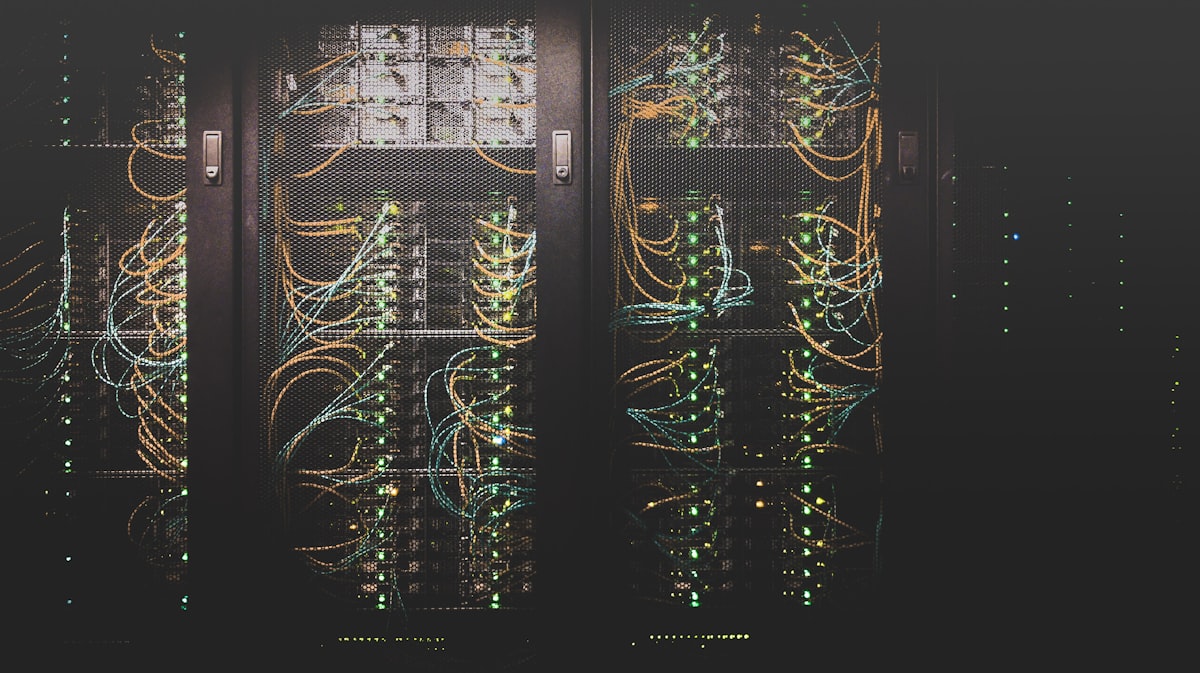
This question shows up more every month, and it’s a fair one. The headlines say AI data centers are straining the grid, and your bill went up, so it’s natural to connect the two. The honest answer has two halves: yes, data centers are pushing electricity costs up in some regions, and no, they’re probably not why your specific bill jumped this month.
Let me separate the real trend from the part that’s getting blamed on it.
The part that’s true
US electricity demand was basically flat for two decades. That ended. Data centers, and AI training in particular, are driving the first sustained demand growth in a generation, and the grid wasn’t built for it.
The clearest evidence is in the wholesale market that serves the mid-Atlantic. PJM Interconnection runs a “capacity auction” that pays power plants to be available years ahead. The auction for the 2025 to 2026 delivery year cleared around $14.7 billion, up from roughly $2.2 billion the year before. That’s a jump of more than 800 percent, and PJM itself pointed to data center demand growth as a major driver.
That cost doesn’t vanish. It flows into the bills of customers in PJM territory, which covers Virginia, Ohio, Maryland, Pennsylvania, New Jersey, and several other states. Northern Virginia in particular, sometimes called “Data Center Alley,” hosts an enormous concentration of these facilities. If you live in that footprint, data center demand is a genuine, measurable contributor to rising rates.
The part that gets overblown
Here’s where the headline and your bill come apart.
First, geography. Not every grid is PJM. California runs on a different market (CAISO), and California’s high bills are driven mostly by wildfire mitigation costs, transmission spending, and the rate-base structure of its utilities. I wrote about that in why PG&E is so expensive. Data centers are a small direct factor in a California residential bill today compared to those forces. So a Bay Area customer blaming a June spike on AI is almost always looking at the wrong cause.
Second, timing. Capacity costs and infrastructure buildout move rates slowly, over years, in single-digit-percentage steps spread across millions of customers. They do not make your bill jump 40 percent in one month. When a bill spikes suddenly, the cause is almost always local and personal: weather driving the air conditioner, a new EV or appliance, a rate plan change, or a billing quirk like an estimated meter read.
In the bills I analyze, a sudden month-over-month spike traces back to the home’s own usage or rate far more often than to any macro trend. The data center story is real at the level of national policy and regional wholesale markets. It’s rarely the explanation for the number on your statement this month.
How to tell which one you’re looking at
There’s a simple test. Compare your kilowatt-hours used, not the dollar amount, against the same month last year.
- If your kWh is up, it’s usage. Weather, a new load, or more people home. Data centers have nothing to do with it.
- If your kWh is flat but the dollars rose, it’s price. That could be a rate increase (which in PJM states is partly data-center-driven) or you being on the wrong plan.
Most people never make this comparison, so they can’t tell a usage problem from a price problem, and they reach for whatever explanation is in the news. The kWh number cuts through it.
What you can actually do about it
You can’t vote a data center off the grid, and you can’t opt out of your region’s capacity costs. What you can control is the same as always: how much you use, when you use it, and which rate plan you’re on.
If you’re in a PJM state and rates are genuinely climbing, the response is to tighten up the levers you control so the rising rate applies to fewer kilowatt-hours. How to lower your electric bill ranks those changes by dollars saved. If your bill spiked suddenly, the bill diagnosis tool walks you through finding the real cause in about a minute.
Find out what actually drove your bill, not what the headlines blame. Upload a bill and the Energy Advisor tells you whether it was usage, weather, your rate, or something else.
Diagnose my bill →The data center trend is worth watching, especially if you’re in the mid-Atlantic. Just don’t let it distract you from the causes you can fix today. For the most common ones, see why your electric bill is so high and why your bill went up.

Dana Whitmore
Energy Engineer & Billing Analyst · Optiwatt Energy Advisor
Dana has spent the past three years analyzing residential electricity billing data across PG&E, SCE, and SDG&E service territories. She's reviewed billing records for thousands of California households, and built the simulation engine that powers this site's rate-plan comparisons. She holds a degree in Electrical Engineering and lives in the Bay Area.