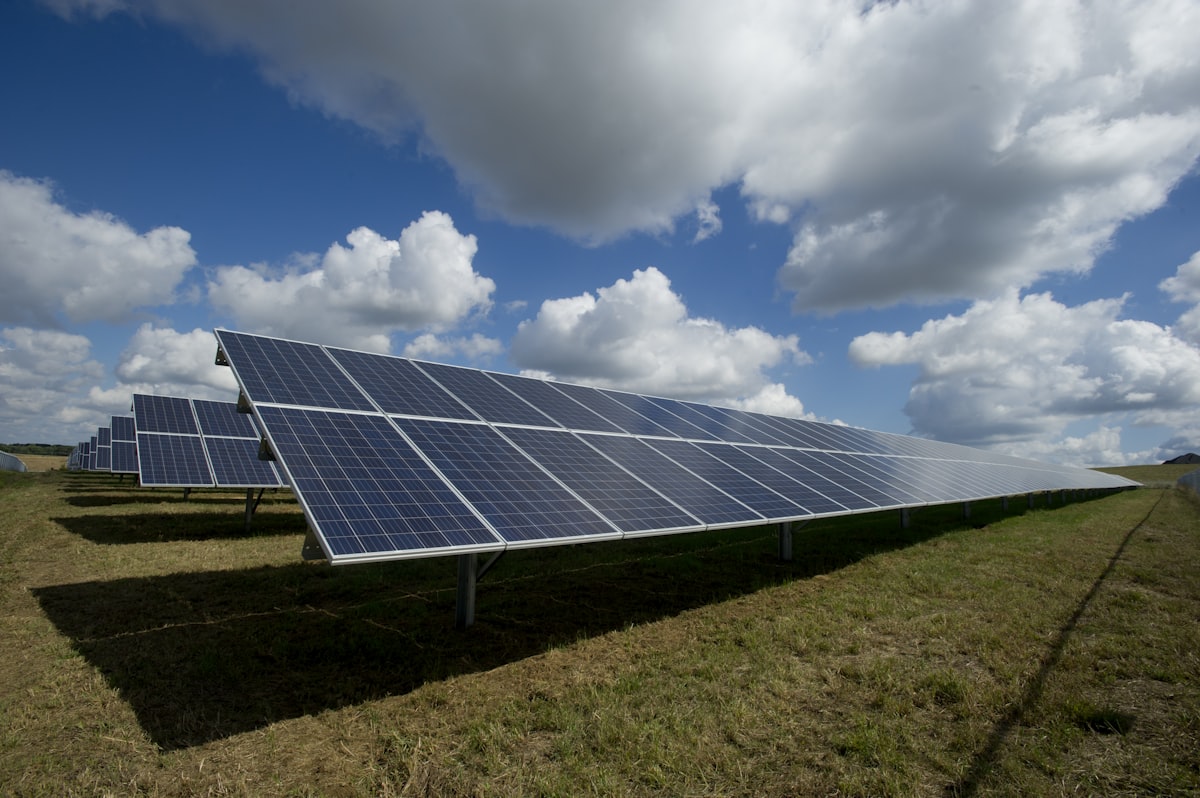
Plug and play solar is exactly what it sounds like. You set up one to four solar panels in a sunny spot, connect them to a small inverter, and plug that inverter into a standard wall outlet. The electricity flows directly into your home’s wiring, your meter slows down, and your next utility bill is lower. No installer, no permits in states with enabling legislation, and no utility approval in most cases.
The concept is well-established in Europe, where Germany alone has roughly four million installed systems. In the US, it is newer, driven primarily by a wave of state legislation starting in 2025 that created clear legal rules for the technology.
Here is how the systems actually work and what you need to know before buying one.
Wondering how much a plug-and-play system would save in your state? Our calculator uses real EIA utility rate data and average sun hours to give you an honest estimate.
Calculate your savings →The three components in every plug-and-play solar kit
Solar panels. Usually one to four panels, each 200–400W. Monocrystalline silicon is standard in current kits. The panels convert sunlight to direct current (DC) electricity.
Microinverter. The inverter converts DC to alternating current (AC) at 120V, the voltage your home’s outlets use. This is the most important component from a safety standpoint. A microinverter built to the UL 1741 SB or UL 3700 standard includes anti-islanding protection, which cuts output automatically during grid outages so it cannot backfeed and endanger utility workers.
Cord and plug. A cable runs from the inverter to a standard GFCI-protected outlet. In most configurations, this is a regular three-prong plug. Some kits use a Schuko plug (European standard) or a modified twist-lock connector designed specifically for the plug-in solar application.
The system feeds AC power directly into the branch circuit connected to that outlet. Any loads on that circuit draw from the solar first, reducing what you pull from the grid.
What “plug and play” does not mean
It does not mean zero installation. You still need to mount the panels somewhere stable and oriented toward the sun. Mounting options range from balcony rail clamps (for apartments) to freestanding ground frames (for yards and patios) to roof-rack mounts (for homeowners adding capacity to an existing setup).
It also does not mean zero safety considerations. The outlet must be GFCI-protected, on a circuit with capacity for the inverter load, and accessible within cable reach of your mounting location. Running an extension cord to a non-GFCI outlet to make a plug-and-play system work is not a safe workaround.
How much electricity a plug-and-play system produces
Production depends on three things: panel wattage, local sun hours, and system losses.
A typical kit marketed in the US today is 400–800W. In a moderate-sun location (Dallas, Atlanta, Denver), an 800W system produces roughly 2.5–3 kWh per day in summer, less in winter. National annual production from an 800W south-facing system with a 15-degree tilt runs 900–1,200 kWh per year.
The fraction that actually displaces grid power depends on your self-consumption rate: how much of the solar output you use in real time versus export to the grid without compensation. If you are home during the day, self-consumption is high (70–85%). If you leave for work at 7am and return at 6pm, your panels may be producing all day with nobody home to use the power, dropping self-consumption below 40%.
Adding a battery changes this. A 1–2 kWh integrated battery stores midday surplus for evening use, raising self-consumption significantly. The tradeoff is cost: a battery adds $500–$1,200 to the system price. The battery backup calculator lets you run the economics for your specific usage pattern.
What you will save in dollar terms
At the US national average electricity rate of about 17¢/kWh, an 800W system with 70% self-consumption saves roughly $120–$160 per year. In high-rate states, the same system saves considerably more:
- California (33¢/kWh): $240–$300/year
- Massachusetts (33¢/kWh): $240–$300/year
- Connecticut (29¢/kWh): $215–$260/year
- Hawaii (42¢/kWh): $300–$380/year
A $900 kit saving $180/year pays for itself in five years. After that, the panels produce for free for the rest of their 25-year warranty.
If your utility uses time-of-use pricing and the peak rate in your area is $0.40–$0.55/kWh in the afternoon, your actual savings per kWh are substantially higher than the average rate suggests. The balcony solar calculator accounts for this.
Is it legal where you live?
Seven states have enacted explicit laws permitting plug-and-play solar systems as of June 2026: Utah, Maine, Virginia, Colorado, Maryland, Connecticut, and New Hampshire. In those states, qualifying systems (usually under 1,200W) do not require utility interconnection approval, and landlords cannot prohibit renters from installing them.
In other states, plug-and-play solar is not specifically legal, but it is also not specifically prohibited. Many people are running small systems without issues. The risk is not enforcement action from a utility; it is a landlord or HOA objection.
The plug-in solar laws tracker shows the current status, watt limits, and effective dates for all 50 states. If your state has enacted a law, click through to the state detail page for the specific rules.
The UL certification question
This matters more than marketing copy suggests. A UL 1741 SB-listed microinverter has been independently tested for anti-islanding, ground fault protection, and other hazards. An uncertified inverter from an overseas manufacturer has not.
As of mid-2026, complete plug-and-play systems with UL 3700 certification (the new US-specific standard for this product category) are just beginning to hit the market. Until full UL 3700-certified kits are widely available, look for:
- A microinverter with explicit UL 1741 SB listing
- Panels with IEC 61215 or UL 1703 certification
- A GFCI-protected outlet on the receiving end
The major brands that have reliably met these specs in the US market as of 2026: APsystems (EZ1-LV), Hoymiles (MI-600/800), and the US-distributed Craftstrom and Bright Saver kits.
How to decide if plug-and-play solar is right for you
Three questions to work through:
First: do you have a south-to-west facing outdoor space with an accessible GFCI outlet? If not, you are limited to window mounts or creative ground arrangements, which reduce output significantly.
Second: is plug-and-play solar legal in your state, or will your landlord approve it? The plug-in solar readiness checker walks through both questions.
Third: do the savings justify the cost? Use the calculator with your state’s rate and your honest estimate of self-consumption. A five-year payback in a rented apartment you might leave in two years is a different decision than the same payback in a house you own.
The plug-and-play format makes this easier to evaluate than traditional solar because the stakes are lower. You are not committing $25,000 to a 25-year contract. You are buying a portable appliance that you can move, return, or resell if the economics do not work out.
Check whether your balcony, patio, or yard qualifies for a plug-and-play solar install, and see a savings estimate for your state.
Check your readiness →Related: Balcony Solar in the US (2026) | Best Balcony Solar Kits 2026 | Solar Panels for Renters

Dana Whitmore
Energy Engineer & Billing Analyst · Optiwatt Energy Advisor
Dana has spent the past three years analyzing residential electricity billing data across PG&E, SCE, and SDG&E service territories. She's reviewed billing records for thousands of California households, and built the simulation engine that powers this site's rate-plan comparisons. She holds a degree in Electrical Engineering and lives in the Bay Area.